


Early design decisions shape the entire life of a building. At concept stage, developers define the structure, flow and sensory character of a space—choices that later determine how people will think, move and work within it. Cognitive load mapping offers a way to guide these decisions with far greater accuracy.
Cognitive load refers to the mental effort required to make sense of an environment. Cognitive load theory, introduced by educational psychologist John Sweller, explains that working memory has limits. When those limits are exceeded, clarity drops and errors rise. In design terms, this means that a building can either support someone’s capacity to process their surroundings or steadily drain it.
The theory distinguishes between different types of load: the inherent complexity of the task, the mental effort needed to understand and navigate a space, and the load that helps people form stable mental models. Smart environments reduce unnecessary demands and organise information so people can direct their attention to what they came to the space to do. When that balance is right, users experience the environment as intuitive and supportive, even if they never consciously think about why.
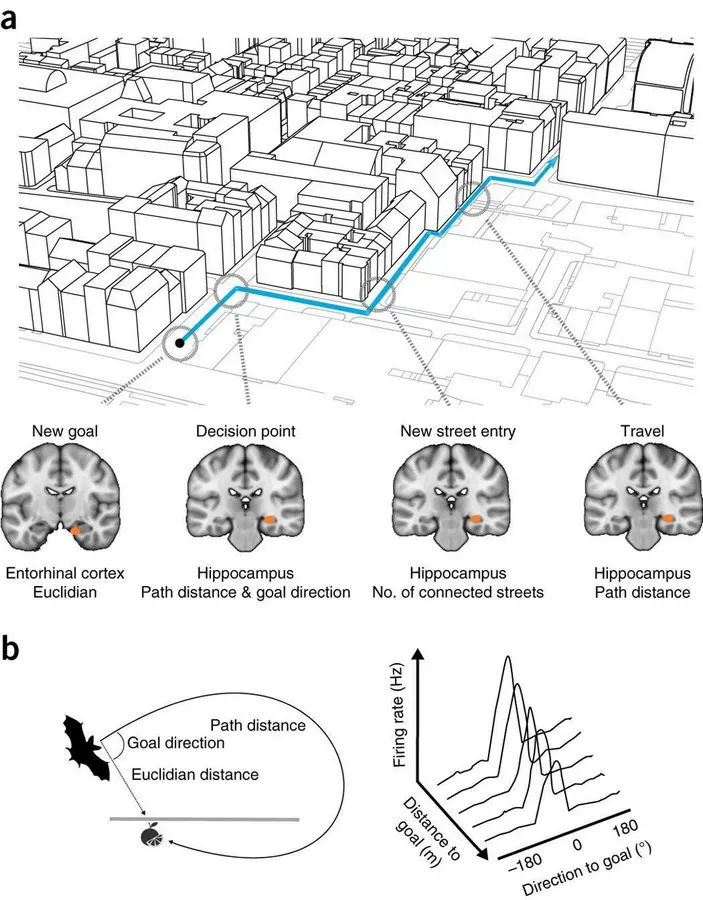
Cognitive load mapping applies this logic to development. It involves studying how someone would enter, orient themselves and move through the building. It looks at what the brain must process at each step: the clarity of sightlines, the hierarchy of spaces, the transitions between zones, the sensory tone of key touchpoints. Points of confusion, interruption or overload often emerge long before a single material has been chosen.
This perspective frequently reveals mismatches between a plan that appears efficient and an experience that feels scattered. Circulation routes that seem rational on paper can disrupt focus when inhabited. Spatial clusters designed for convenience can agitate people through noise, crowding or visual complexity. These issues are simple to correct early on and costly to resolve later.
For developers, the commercial value is straightforward. Buildings that place manageable demands on the brain feel calm, predictable and easy to inhabit. Tenants settle quickly. Wayfinding becomes instinctive. Operations run with fewer interruptions. People stay longer because the environment supports their work rather than competing with it.
Cognitive load mapping is not an academic exercise; it is a strategic design tool. When developers integrate it at concept stage, they produce spaces with a stronger sense of coherence and a higher degree of usability. The result is a building that functions smoothly from the first day it opens—and continues to perform well for the people who rely on it.


