


Most organisations can sense when their workplace isn’t functioning well, but few know how to trace that feeling back to the environment itself. Teams often assume the pressure comes from workload or communication, yet the space can influence performance just as strongly. When the environment works against people, the effects accumulate quietly: increased mistakes, shorter attention spans, growing irritability and a general sense of fatigue that appears long before the day ends.
Evaluating a space begins with close observation. The most revealing clues come from behaviour. Notice where people naturally gravitate and where they avoid. Pay attention to areas that seem to generate tension—places where conversations feel rushed, where noise lingers, or where movement becomes awkward. These moments often mark points of cognitive strain. They show where the environment demands more effort than it should.
Another indicator is rhythm. Teams perform best when their environment supports the natural flow of focused work, informal collaboration and brief moments of reset. When a space disrupts that rhythm—perhaps through constant interruptions, poor transitions between zones or a lack of areas that allow people to step back—the team’s energy becomes scattered. People spend more time recovering from the environment than engaging with their work.
Emotional tone also tells a story. Environments can either steady people or push them into a heightened state. Look for patterns: elevated stress in certain rooms, longer recovery after meetings, or a noticeable drop in concentration as the day progresses. These signals are often tied to sensory conditions such as glare, noise, clutter or visual complexity.
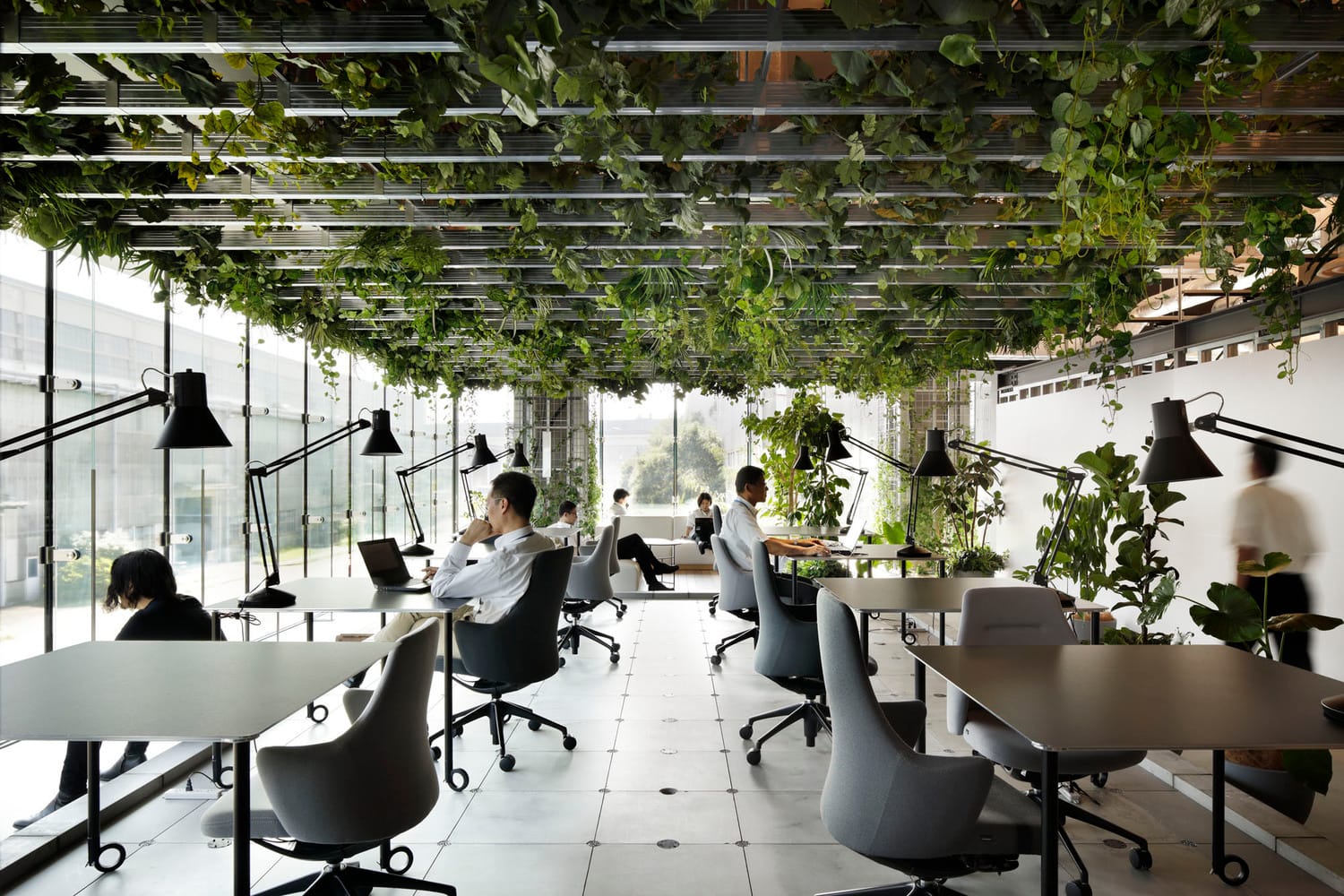
Once these patterns become clear, the next step is understanding their cause. Many issues stem from an environment that hasn’t been designed around how people actually think and behave. A workplace that feels confusing, overstimulating or disjointed will drain energy, even if the layout appears functional on paper. In contrast, a space that aligns with human patterns—clear sightlines, coherent organisation, balanced sensory input—allows teams to work with far less internal friction.
An evaluation does not require guesswork. It requires attention to the lived experience of the people using the space. When organisations take this seriously, they uncover opportunities to improve performance without restructuring teams or rewriting strategies. The shift begins by recognising the profound influence the environment has on daily work and by assessing it with the same rigor applied to any other part of the business.


