


Brain-healthy design begins with a simple premise: the places people spend their time have measurable effects on how they think, focus and regulate their emotions. Every environment shapes cognitive performance in ways that often go unnoticed but influence the entire working day.
Most organisations make decisions about space based on aesthetics, operational needs or broad design trends. The challenge is that none of these approaches consider the everyday cognitive demands placed on the people using the space. When environments are difficult to navigate, visually chaotic, poorly lit or filled with competing sensory cues, people spend more mental energy adapting than performing. Over time, this reduces clarity, increases fatigue and erodes decision-making.
A brain-healthy approach looks at space through the lens of human behaviour. It asks how people move, where attention naturally goes, what creates unnecessary strain and what supports a steadier mental state. This involves understanding patterns such as how teams transition between tasks, when they need quiet, where collaboration naturally forms and which parts of a space consistently create tension or distraction.
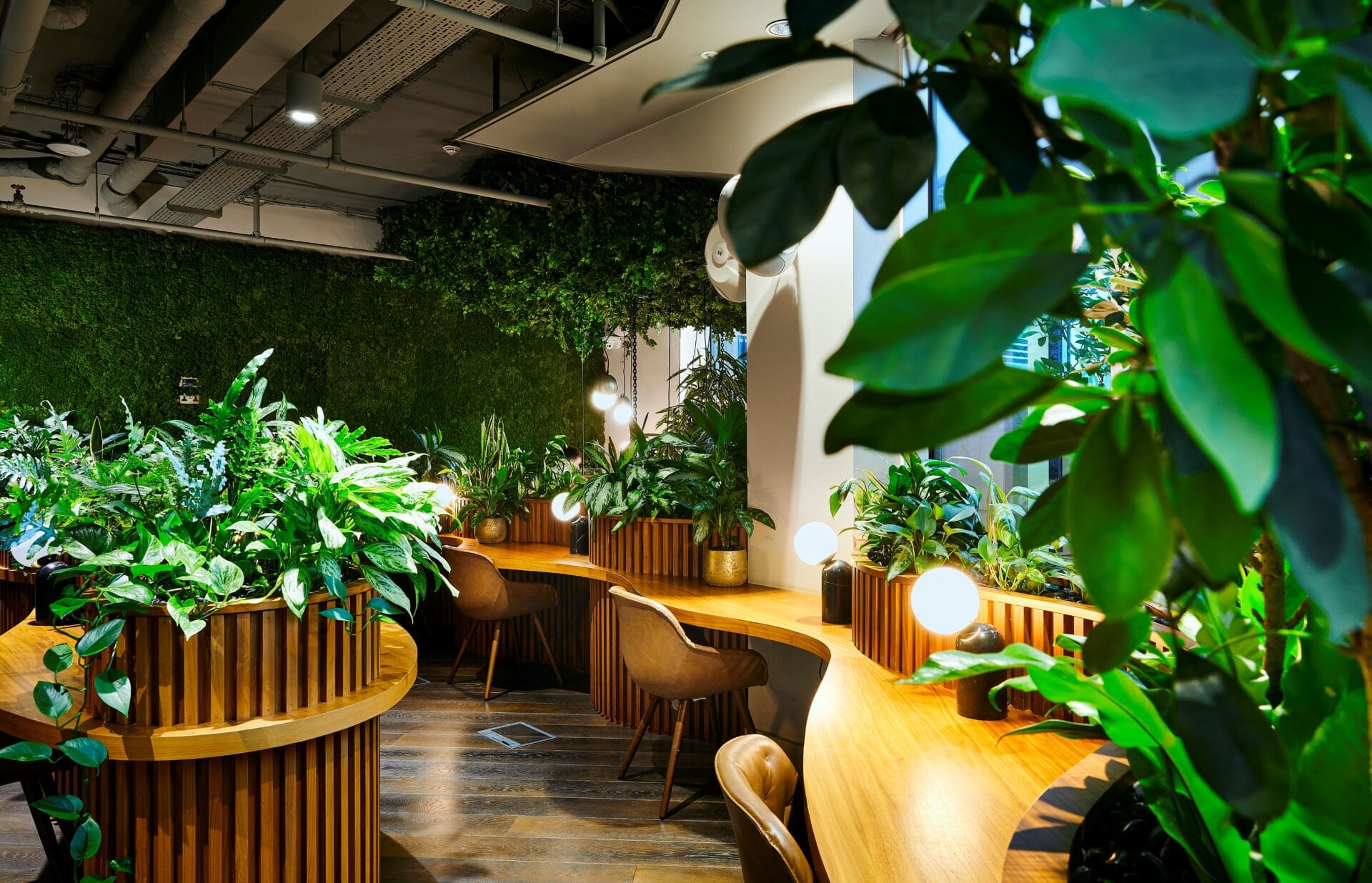
In practice, this is a process of observing, analysing and adjusting. It may involve refining the spatial flow so movement feels more intuitive, or improving the balance of light to support steadier alertness throughout the day. It may include reorganising sensory input so work areas encourage focus and shared areas feel calmer and easier to inhabit. Every decision is guided by evidence from cognitive science and environmental psychology rather than personal preference.
When an environment aligns with how the brain operates, the day feels easier. People experience fewer moments of friction. Tasks require less effort. Focus becomes more sustainable. Teams interact with a greater sense of calm and clarity. The gains are subtle in the moment but significant over time.
Brain-healthy design does not rely on large architectural gestures. It grows from precise attention to human experience and an understanding of how the mind responds to space. When organisations approach their environments with this level of intention, they create conditions that support better thinking, healthier emotional patterns and more consistent performance.


