


Property development has entered a phase where success relies as much on understanding human behaviour as it does on architecture, engineering or finance. Buildings are no longer judged solely on appearance or cost; they are measured by how effectively they support the people who live and work within them. This shift is reshaping expectations across the industry, and the developers who respond early are gaining a clear advantage.
Human-led development starts with a deeper examination of how people use space in real situations. It considers attention patterns, movement habits, and the everyday pressures that shape decision-making and well-being. When environments respond to these realities, they feel easier to navigate, more intuitive and more supportive of daily activity. Tenants notice it immediately, even if they can’t articulate why.
This approach creates value in ways traditional development often overlooks. A building that reduces cognitive strain allows people to think more clearly. A layout that reflects natural patterns of use leads to smoother operations. A well-structured sensory environment helps occupants maintain steadier emotional states. These qualities strengthen the long-term viability of a project because they shape how people talk about a space, how long they stay and how well the place performs over time.
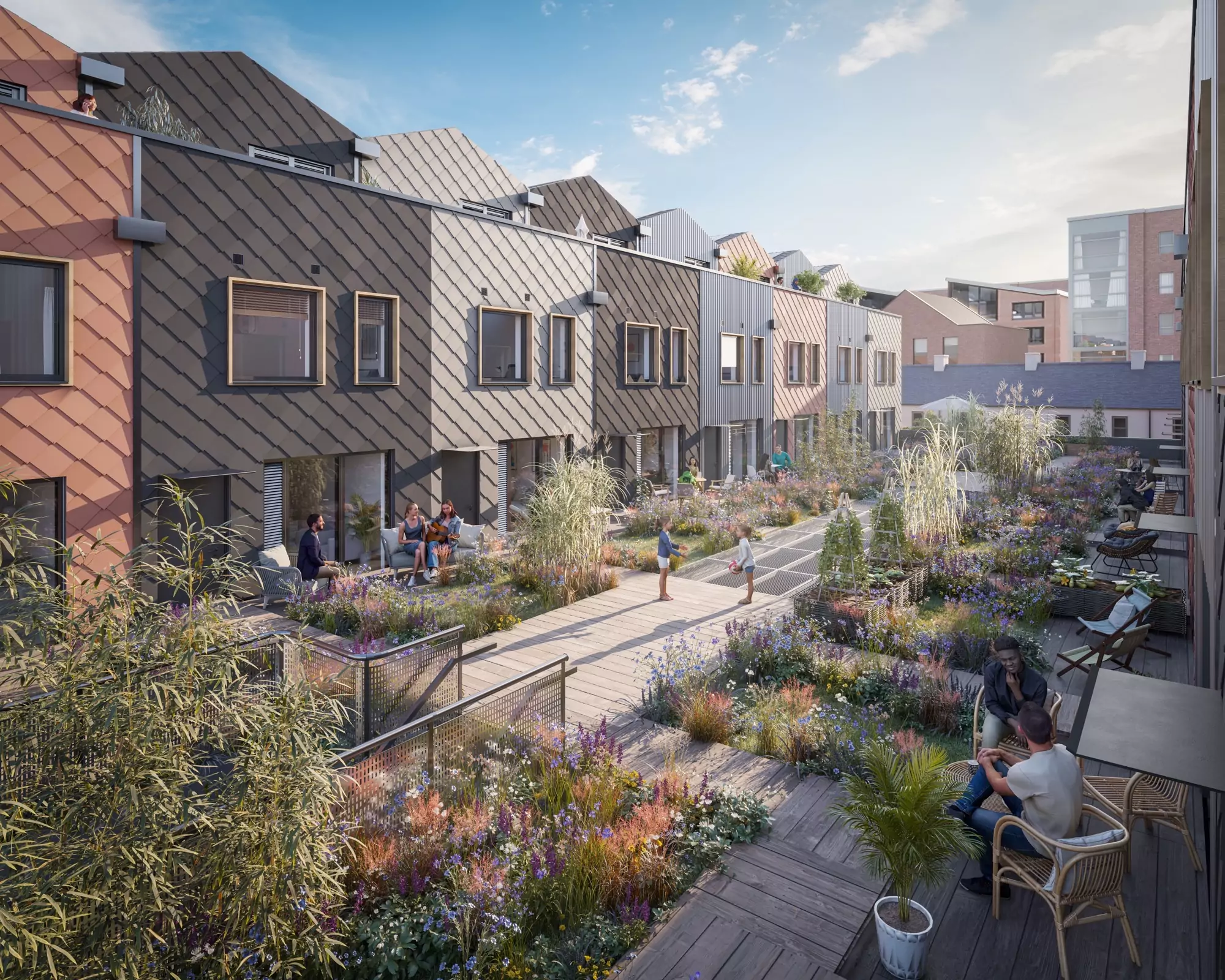
Markets are responding. Organisations are increasingly selective about the buildings they choose, preferring environments that help their teams work with greater ease. Residents gravitate towards developments that feel calm, coherent and grounded. Investors pay attention to projects that demonstrate a clear understanding of behavioural and cognitive needs because these spaces attract stable demand and retain value.
Human-led development is not a trend. It reflects a broader recognition that people experience space through the brain first. When a building respects this, it becomes more than a collection of materials and systems; it becomes an environment that actively supports the lives unfolding inside it. Developers who embed this perspective into their decision-making position themselves ahead of a market that is rapidly evolving.


